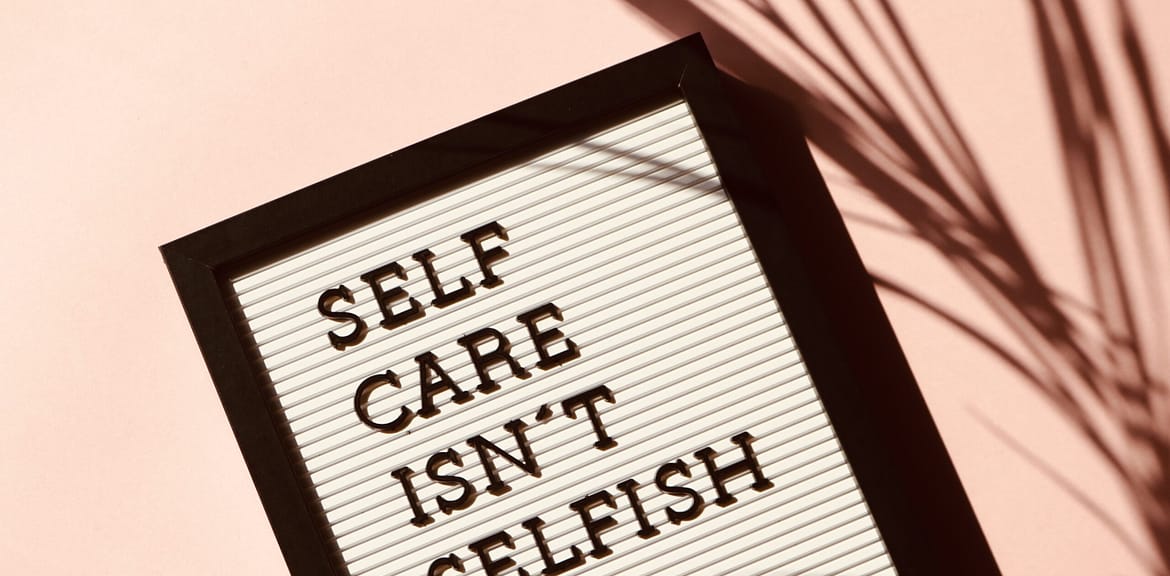

In today’s fast-paced world, where constant connectivity is the norm, the idea of disappearing from public view might seem counterintuitive. However, more and more people are discovering that sometimes, the best way to care for oneself is to simply step back, disconnect, and disappear—even if only temporarily. This approach, surprisingly, can be a vital component of self-care.

Why Disappearing Can Be Self-Care
First and foremost, disappearing grants us much-needed space to recharge. When life feels overwhelming, and social media pulls us in multiple directions, stepping away can act as an emotional reset button. By detaching from external pressures, we give ourselves permission to breathe again.
Moreover, disappearing allows for reflection and introspection. In silence or solitude, we gain clarity about our needs, goals, and desires. As a result, this practice can help us reconnect with ourselves on a deeper level—something that’s often lost amidst daily routines.
In addition, disappearing can be an act of boundary-setting. It’s a way of signaling that our mental health matters. When we withdraw intentionally, we create space to recover from burnout, anxiety, or chronic stress.
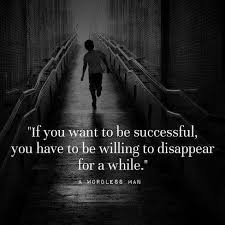
Practical ways to incorporate disappearing into your self-care routine
While disappearing might sound like a drastic measure, it can be very practical and manageable with the right approach:
- Designate “No-Tech” Zones: Turn off your devices for a set period each day to minimize digital overwhelm.
- Create a Disconnection Ritual: Whether it’s a walk in nature, a weekend retreat, or a simple bubble bath, engage in activities that promote solitude.
- Set Boundaries: Communicate to friends and family that you need time away. Remember, healthy boundaries are essential to mental well-being.
- Practice Mindfulness: Use meditation or breathing exercises to anchor yourself in the present moment during your disappearances.
- Schedule Regular Breaks: Incorporate intentional pauses in your routine to step back from responsibilities and expectations.
Transitioning to the importance of balance
However, it’s crucial to recognize that disappearing should not lead to isolation. Instead, it’s about finding balance—knowing when to step back and when to re-engage. Disappearing isn’t a permanent escape but a temporary and intentional act to foster emotional resilience.
Final thoughts
In summary, disappearing as a form of self-care is a valid and empowering choice. It allows us to:
- Replenish mental and emotional energy
- Gain clarity through reflection
- Strengthen personal boundaries
- Cultivate mindfulness and presence
So, next time life feels overwhelming, consider embracing the art of disappearing—not as avoidance, but as a vital act of nurturing yourself. Remember, sometimes, the best way to move forward is to step back and simply be.