
If you’re new to digital marketing, you might feel overwhelmed by the number of channels, tools, and metrics. However, a cohesive strategy ties everything together so that your efforts complement each other rather than compete. In this guide, you’ll learn a practical, beginner-friendly approach to crafting a strategy that aligns your goals, audience, content, channels, and measurement. First, we’ll define a cohesive strategy. Then we’ll walk through a step-by-step process you can apply today.
What is a cohesive digital marketing strategy?
A cohesive digital marketing strategy is a unified plan that coordinates your goals, audience insights, messaging, channels, and measurement. It ensures that all activities reinforce one another, deliver a consistent brand voice, and move prospects smoothly through the buyer’s journey. Importantly, it avoids siloed efforts and duplicative work. When your strategy is cohesive, you save time, reduce wasted spend, and improve overall performance.

1: Define your goals and audience
- Start with clear, measurable goals; for example, you could increase qualified leads by 20% in six months, grow email subscribers by 25%, or boost online sales by 15%.
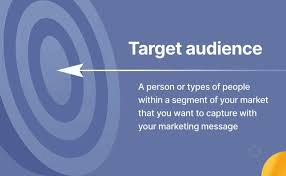
- Identify your target audience by creating basic buyer personas that include demographics, needs, challenges, and preferred channels.
- Align goals with the customer journey by mapping where your audience discovers you, how they evaluate options, and what converts them into customers.
2: Establish a consistent brand voice and messaging
- Develop a value proposition and core messages that resonate across all touchpoints, so your audience receives a cohesive signal.
- Create a simple messaging framework (headline, supporting benefit, proof) that you can reuse in blogs, emails, ads, and social posts, ensuring consistency across formats.
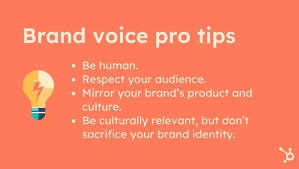
- Ensure consistency in tone, visuals, and terminology to build trust, and therefore strengthen brand recognition over time.
3: Select the right channels and allocate resources
- Channels to consider include content marketing (blogs, guides), email marketing, social media, search (SEO/SEM), paid advertising, and conversion rate optimization (CRO); additionally, these should work together rather than in isolation.
- Start with a balanced mix; for beginners, a practical starter stack could be owned media (website + blog), email, and social, plus SEO and basic paid search testing.
- Set a lightweight budget and timeline; begin with a monthly test budget, and plan for quarterly reviews to keep momentum and adaptability.
4: Plan content that feeds the funnel
- Create content pillars aligned with your buyer personas and stages (awareness, consideration, decision), so every piece supports a specific part of the funnel.
- Develop a content calendar by scheduling a mix of blog posts, guides, videos, and social posts, and thus ensuring steady output.
- Optimize for search and readability by using relevant keywords naturally, writing clear headings, and including short paragraphs, bullet lists, and visual breaks to aid scanning.
- Repurpose content to extend its life; for example, turn a long guide into blog posts, checklists, and social snippets, maximizing value from each asset.
5: Measure, learn, and optimize
- Define 3–5 core KPIs that reflect your goals (e.g., qualified leads, email signups, cost per acquisition, organic traffic, conversion rate) so you can track meaningful outcomes.
- Set up dashboards that answer key questions; for example, which channels drive the most conversions or which content performs best for each stage.
- Use lightweight attribution; a simple model like last-click or first-click can work at first, and then you can evolve to multi-touch attribution as you gain data.
- Run regular experiments by hypothesizing, testing one variable at a time, analyzing results, and scaling what works to maximize impact.
6: Establish processes and governance
- Document roles and responsibilities, such as who creates content, who approves paid campaigns, and who analyzes results, to reduce friction.
- Create a lightweight editorial and campaign calendar, scheduling cadence for planning, publishing, and reporting so everyone stays aligned.
- Maintain a brand and style guide to ensure consistency in voice, visuals, and terminology across all channels and assets.
- Review quarterly by reassessing goals, audience insights, and channel performance, and adjust as needed to stay on track.
Practical example: a small‑business SaaS in a competitive niche
- Goals: generate 150 qualified trials per month; grow email list by 30% in six months.
- Audience: SMB owners evaluating CRM software; concerns include ease of use, affordable pricing, and onboarding.
- Channels: content marketing (how-to guides, case studies), SEO, email nurture, and paid search tests.
- Tactics: publish weekly blog posts plus monthly in-depth guides; create a 5-part email onboarding sequence; run small PPC tests for high‑intent keywords; optimize landing pages for clarity and speed.
- Measurement: track trials, free trial signups, and email engagement; adjust budget toward best-performing keywords and content.
Common mistakes to avoid
- Silos: avoid treating channels as separate efforts; instead, ensure cross-channel collaboration.
- Bad goals: steer clear of vague or unattainable targets that don’t guide decisions.
- Inconsistent messaging: prevent mixed brand voice from confusing the audience.
- Ignoring data: avoid making decisions without evidence or metrics.
Quick-start checklist
- Define 2–3 clear, measurable goals.
- Create 1–2 buyer personas.
- Build a simple messaging framework.
- Pick 3 core channels and set a modest test plan.
- Plan content for the next 8–12 weeks with 1 pillar post per week.
- Set up a basic KPI dashboard and a quarterly review cadence.
Conclusion
A cohesive digital marketing strategy doesn’t have to be complicated; by starting with clear goals, understanding your audience, selecting the right channels, and measuring what matters, you create a unified system that compounds over time. Begin with a small, practical set of actions today, and gradually expand as you learn what works best for your business.