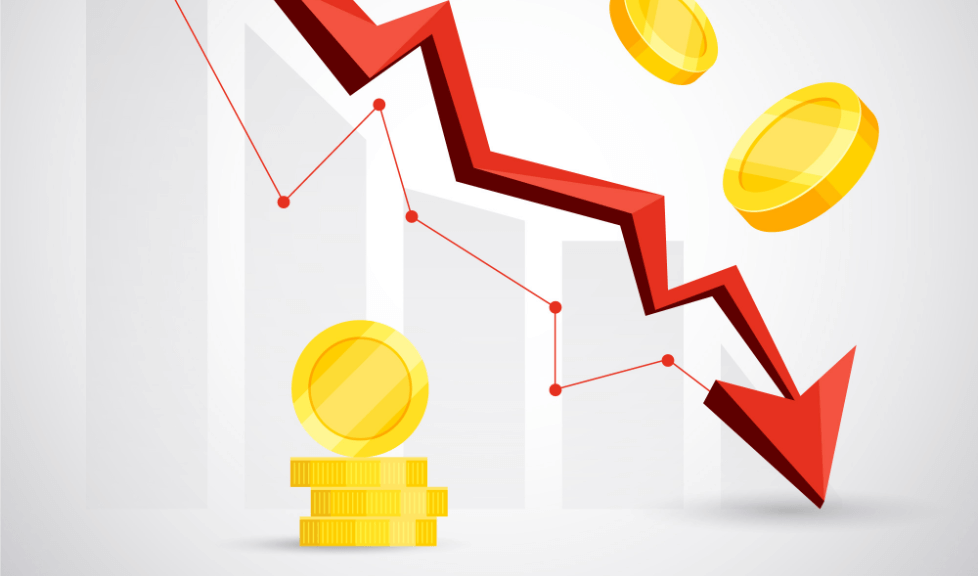

Nigeria, often dubbed the “Giant of Africa,” has historically been recognized for its vast natural resources, vibrant culture, and youthful population. However, in recent years, Nigeria’s economy has faced significant challenges, leading many to question its future prospects. This article explores the core reasons behind this decline, the impact on its citizens, and potential pathways to recovery.
The Roots of Nigeria’s Economic Decline
Firstly, one of the primary issues is overreliance on oil exports. Nigeria’s economy heavily depends on oil, which constitutes over 90% of its export earnings. When oil prices plummet on the global market, Nigeria feels the tremors immediately. Unfortunately, this overdependence has left the economy vulnerable and unable to diversify sufficiently into other sectors such as agriculture, manufacturing, and technology.
Moreover, structural issues within governance hinder economic growth. Corruption, bureaucratic inefficiencies, and political instability have stifled development opportunities and discouraged foreign investment. As a result, many potential projects remain unrealized, and essential infrastructure remains underdeveloped.
The Impact on Societies and Businesses
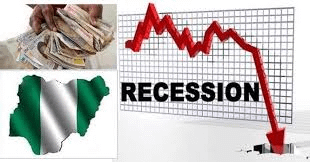
Transitioning to the social implications, Nigeria’s declining economy has led to rising unemployment rates and widening poverty gaps. With fewer job opportunities, especially for Nigeria’s youthful population, many young people are turning to informal sectors or migrating abroad in search of better livelihoods.
Furthermore, businesses face numerous hurdles such as inflation, inconsistent power supply, and poor road networks. These challenges increase operational costs, reduce competitiveness, and ultimately slow down economic activities. As a consequence, Nigeria’s overall productivity is compromised, further deepening the economic malaise.
Challenges and Opportunities
Despite these hurdles, Nigeria possesses significant potential. Its large population provides a vast consumer market and a growing labor force. Additionally, recent efforts to diversify the economy, such as investing more in agriculture, technology, and infrastructure, are promising steps forward.
However, to truly reverse the decline, Nigeria must address corruption, improve rural development, and create an enabling environment for innovation and entrepreneurship. Policy reforms that foster transparency and accountability are essential for restoring investor confidence.
The Road to Recovery
In conclusion, Nigeria’s economy is at a critical juncture. While the challenges are undeniable, they are not insurmountable. With focused reforms, strong leadership, and strategic investments, Nigeria can rebuild a resilient economy that benefits all its citizens.

In essence, the future of Nigeria depends on its ability to adapt and innovate. By tackling its current issues head-on, Nigeria can hope to regain its status as Africa’s economic powerhouse.